
Let Go of Control to Gain Influence – Fearless Vulnerability

Welcome back to A Year of Fearless Ethical Leadership, our continuing exploration into the principles that define the Icons of DC Area Real Estate. Over the past months, we’ve discussed courage, realism, and decisive action. But today, I want to highlight a paradox that challenges many high-performers: the surprising power of connection through vulnerability—a central theme in The 50th Law by Robert Greene and 50 Cent.
This principle runs counter to much of what we’re taught about leadership. Control is often mistaken for strength. But as The 50th Law suggests, the urge to control everything is, at its core, rooted in fear—fear of uncertainty, and fear of depending on others. In reality, the most enduring influence doesn’t come from control—it comes from trust, presence, and the courage to let go.
Let’s look at how some of the region’s most respected leaders have navigated this shift from control to connection.
1. The Courage to Relinquish Control
In the early stages of a career or company, control feels necessary. It ensures precision. It creates results. But over time, it becomes a bottleneck. Leadership, especially at scale, demands something more difficult: letting go.
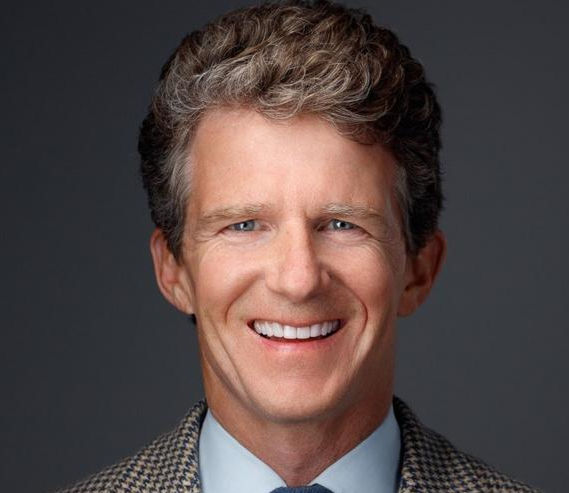
Willy Walker, Chairman and CEO of Walker & Dunlop, openly reflects on this evolution. Early on, he admits to being a “control freak,” managing with intensity and reacting to unmet expectations with frustration. Over time, he recognized that this approach limited his team’s potential—and his own. His growth as a leader came through shifting from domination to empowerment, creating the conditions for the company’s extraordinary trajectory.

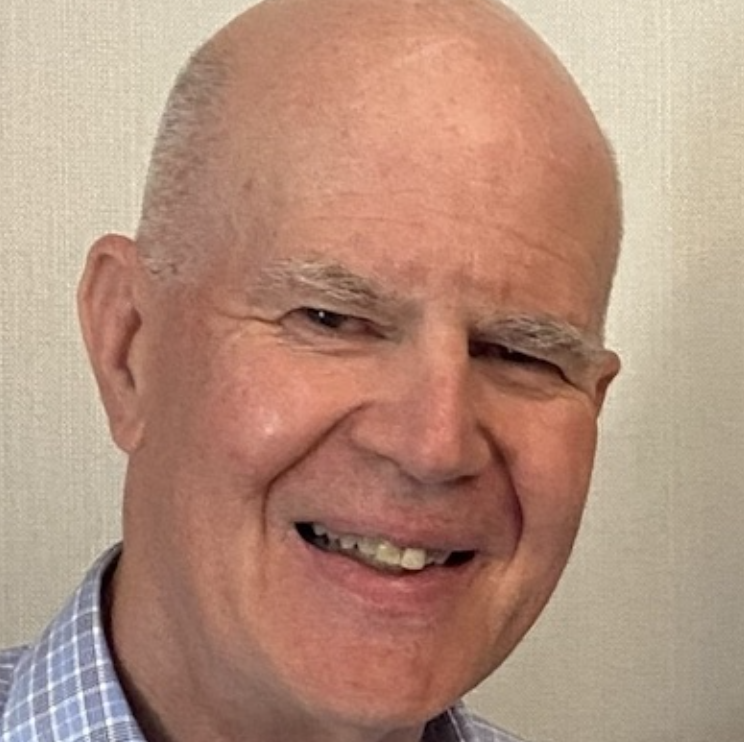
Len Forkas Len Forkas, founder of Milestone Towers, embodied this principle in a striking way. During a six-week expedition to climb Mount Everest, he was completely unavailable to his team. Before leaving, he told them, “I believe in you... I trust you.” He knew mistakes might be made—but he also
knew autonomy breeds growth. When he returned, the team hadn’t just maintained—they had risen. The trust he extended became a catalyst for their confidence.
2. Vulnerability Builds Credibility
In an industry driven by performance, metrics, and margins, vulnerability can seem out of place. Yet, as Greene notes, it is precisely this openness that allows us to access insight, loyalty, and the strength of others.

Bill Hard Bill Hard, formerly of LCOR, makes the case plainly: “Show your vulnerability by bringing in the right people.” Leadership doesn’t mean having all the answers. It means knowing when to step aside and let talent fill the gaps. Vulnerability here isn’t a liability—it’s a strategy.

Bob Murphy Bob Murphy, Managing Principal of MRP Realty, frames it in terms of credibility: never hide. Be honest, even when the truth is difficult. Putting the deal—and the people—first isn’t just ethical, it’s effective. Transparency, especially in challenging moments, forges trust that lasts beyond a single transaction.
3. From Independence to Interdependence
Many leaders begin as singular high performers, but long-term success lies in moving from independence to interdependence.

Diane Hoskins, Co-CEO of Gensler, models this through shared leadership. She describes the power of collaboration as “one plus one equals five”—not simply additive, but exponential. Having a leadership partner offers perspective, challenges assumptions, and extends the vision beyond what one person alone can achieve.

Jair Lynch Jair Lynch, Founder of Jair Lynch Real Estate Partners, reflects on this evolution in personal terms. His advice to his 25-year-old self? Learn to balance independence with interdependence. Build layers of relationships. Cultivate a team that can think, act, and lead without you. That’s the only way to build something that lasts.
The Call to Fearless Presence
Letting go of control does more than empower others—it allows you to show up fully. That presence, unburdened by the need to micromanage outcomes, is a hallmark of fearless leadership.

Jason Bonnet, Chief Development Officer at Esen, captured this beautifully with a simple phrase on a billboard: “Estoy aquí.” I am here.
To lead with presence is to lead with trust. Not in certainty, but in preparation. Not in control, but in connection. Let go—of the illusion, of the anxiety, of the pressure—and lead from a place of grounded, fearless vulnerability.
It’s not easy. But it is transformative.


Comments